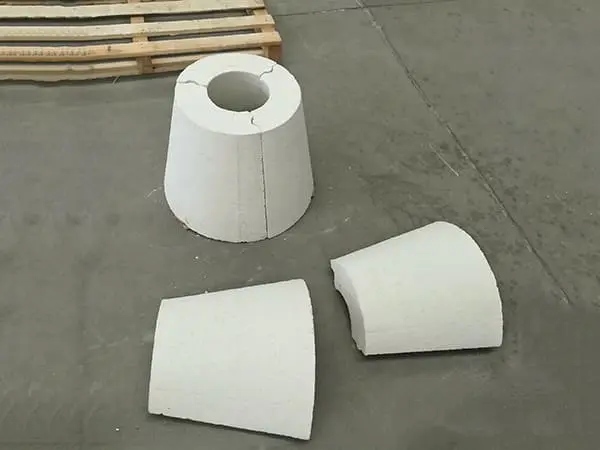
Corundum burner block
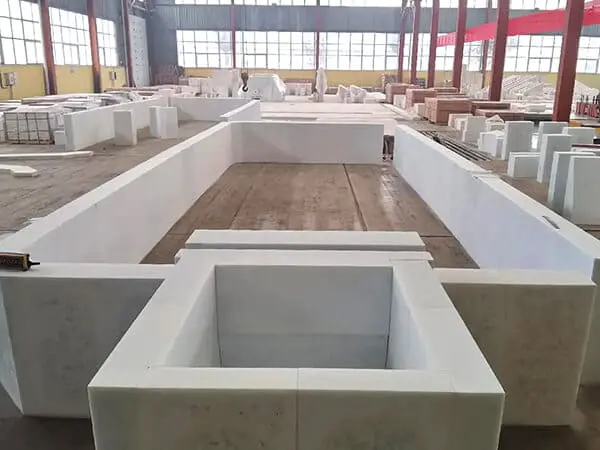
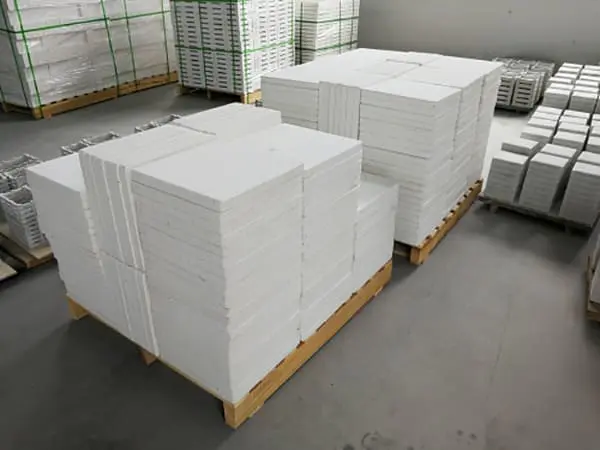
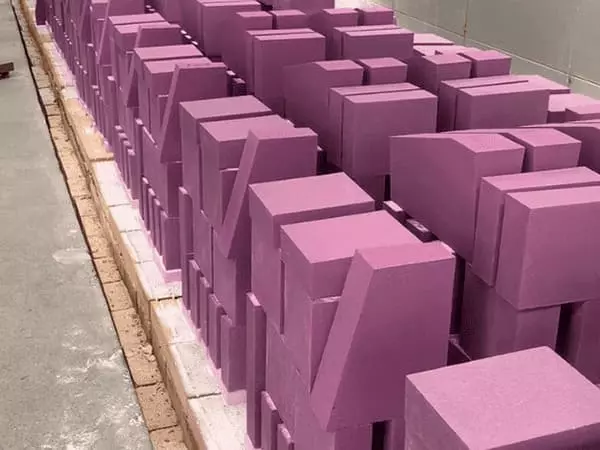
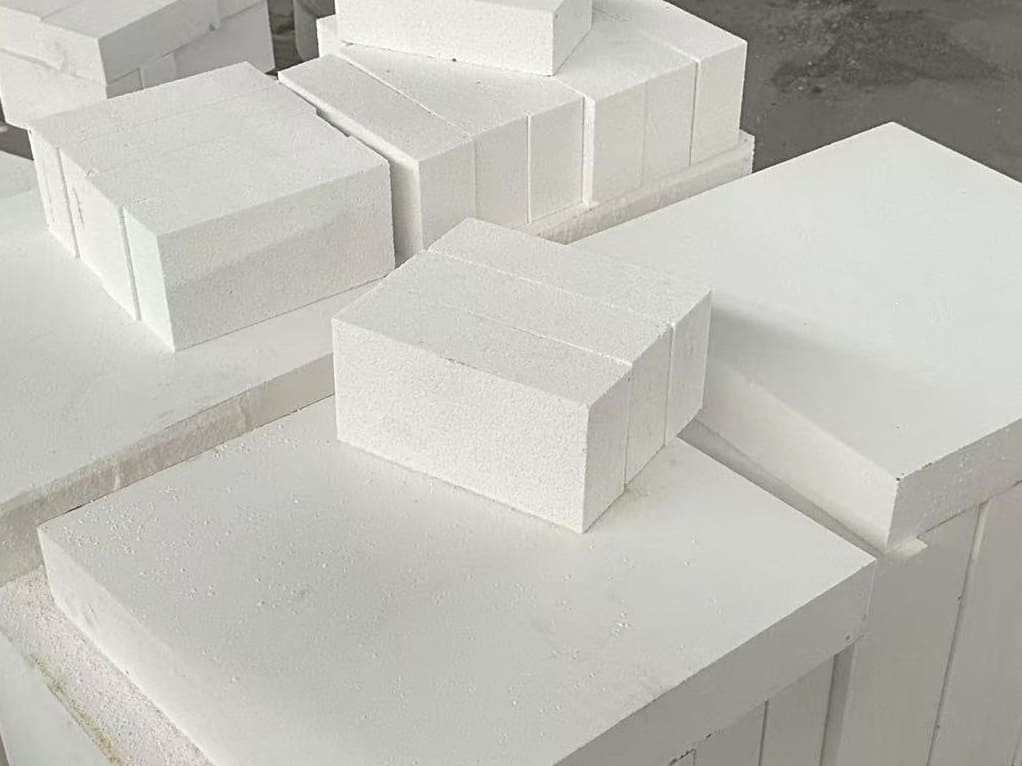
We supply custom corundum burner blocks in any size per your drawings. All products are made from high-quality materials for maximum heat resistance and durability.
Description
Corundum burner blocks — designed for combustion systems above 1600°C, with high resistance to erosion and thermal shock.
Description
Corundum burner brick is a key refractory component of the burner system in industrial furnaces. It is manufactured from fused corundum as the primary raw material, using high-pressure forming and subsequent high-temperature firing.
Corundum burner bricks must simultaneously withstand the impact of high-temperature flames at 1600–1800°C, chemical erosion from fuel ash residues, and frequent temperature fluctuations. Their performance directly affects combustion efficiency, furnace service life, and product quality. In key equipment across industries such as metallurgy, glass, and ceramics, these products are wear-prone yet indispensable components.
A corundum burner block is typically a shaped refractory product with a central through-hole. The shape of the internal channel is designed according to flame requirements and can be cylindrical, divergent, or swirl-type. High-quality products are manufactured using a gradient composition technology: the working surface contains over 95% Al₂O₃, while the alumina content in the backing layer is reduced to lower production costs.
The thermal shock resistance of corundum burner brick is attributed to the synergistic effect of corundum crystals and microcracks: at high temperatures, microcracks absorb a portion of the thermal stress, while the corundum framework maintains structural integrity.
Specifications
| Item | CBB-99 | CBB-95 | CBB-90 |
|---|---|---|---|
| Al2O3 % | ≥99 | ≥95 | ≥90 |
| SiO2 % | ≤0,3 | ≤3,5 | ≤8 |
| Fe2O3 % | ≤0,2 | ≤0,2 | ≤0,2 |
| Apparent Porosity % | ≤18 | ≤18 | ≤18 |
| Bulk Density g/cm3 | ≥3,2 | ≥3,15 | ≥3,1 |
| Cold Crushing Strength MPa | ≥100 | ≥100 | ≥100 |
| Refractorinees Under Load 0,2 Mpa 6%, °C | ≥1700 | ||
Advantages
The refractoriness of corundum burner bricks typically exceeds 1800°C, and the maximum service temperature reaches 1750°C. Bulk density ranges from 2.8 to 3.2 g/cm³, with apparent porosity in the range of 15–22%. This microporous structure contributes to both high mechanical strength and improved thermal shock resistance of the products.
Test results show that for high-quality products, the number of thermal shock cycles (1100°C – water cooling) exceeds 20, cold crushing strength is above 80 MPa, and modulus of rupture at 1400°C exceeds 15 MPa. Compared with high-alumina bricks, corundum-based products provide 3–5 times higher resistance to alkali vapor corrosion, and their service life in float glass furnace tanks reaches 2–3 years.
Selection guidelines
- Determine the installation location, hot-face temperature, mechanical loads, furnace atmosphere composition, and the need for thermal insulation.
- For shaped products, burner bricks, and door/window opening bricks, it is recommended to provide drawings or dimensions of the old/worn part.
- When installation work is ordered, the supply of refractory mortar, gunning mix, or the anchoring system design should be coordinated at the same time.
Applications
The largest application sector is steelmaking plants, where the bricks are used in burner systems of hot blast stoves, reheating furnaces, and coke oven batteries. In hot blast stoves of blast furnaces with a volume exceeding 1800 m³, these bricks are subjected to cyclic thermal shock at temperatures of 1200–1350°C, with a service life of 5–8 years.
In glass-melting furnaces, the requirements are even more stringent—the material must resist corrosion from Na₂O/K₂O vapors. For solar glass production furnaces, burner bricks made of a 95% Al₂O₃ composite with ZrO₂ addition are used, with an erosion rate of less than 2 mm per year. Specialized modifications have also been developed for roller hearth kilns in the ceramics industry, as well as for tubular furnaces in the petrochemical industry.
Related Products